
Internal combustion subcompacts without a future
, 2 min reading time
, 2 min reading time
Volkswagen Bids Farewell to Internal Combustion Engines in Small Car Segment
Volkswagen is fundamentally changing its strategy for small cars: New models in the Polo class and below will exclusively feature electric powertrains in the future. The classic internal combustion engine has become obsolete in this segment – not due to a lack of demand, but for economic reasons.
Why Internal Combustion Small Cars No Longer Have a Future
According to VW brand CEO Thomas Schäfer, increasingly strict EU emissions regulations are making new gasoline models in the small car segment unprofitable. In an interview with Auto Motor und Sport, he explains that vehicles like the Polo with internal combustion engines would simply be too expensive for customers in the future.
"Offering new gasoline models in the Polo class and below again makes no sense with regard to future emissions regulations. They would be too expensive for our customers."
With this, Volkswagen sends a clear signal: Affordable mobility will be electric in the future.
Electric instead of Hydrogen: VW's Clear Stance
Schäfer also takes a clear stand on the recurring debate about hydrogen as a propulsion technology. From VW's perspective, hydrogen is not a realistic option for the volume market.
The reasons:
Schäfer's conclusion is clear:
"The only way to rapidly decarbonize volume cars is with electric drive."
In-house Battery Cells as Key to Success
A central component of the new electric strategy is in-house battery cell production. After about three and a half years of construction, production has now started at the Salzgitter plant. This is an important step, as the battery accounts for up to 40 percent of the cost of an electric car.
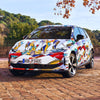
The cells produced there will be used in future electric small cars such as the ID. Polo and the Cupra Raval. Both models are scheduled to be produced in Spain from 2026 and priced at around 25,000 euros – a decisive factor for the widespread acceptance of electric mobility.
Conclusion: The Future of Small Cars is Electric
Volkswagen makes it clear where the journey is headed: The internal combustion engine is disappearing from the small car segment, and electric mobility is becoming the new basis for affordable cars. With its own battery production, clear demarcation from hydrogen, and a focus on cost reduction, VW aims not only to go along with the change but to actively shape it.